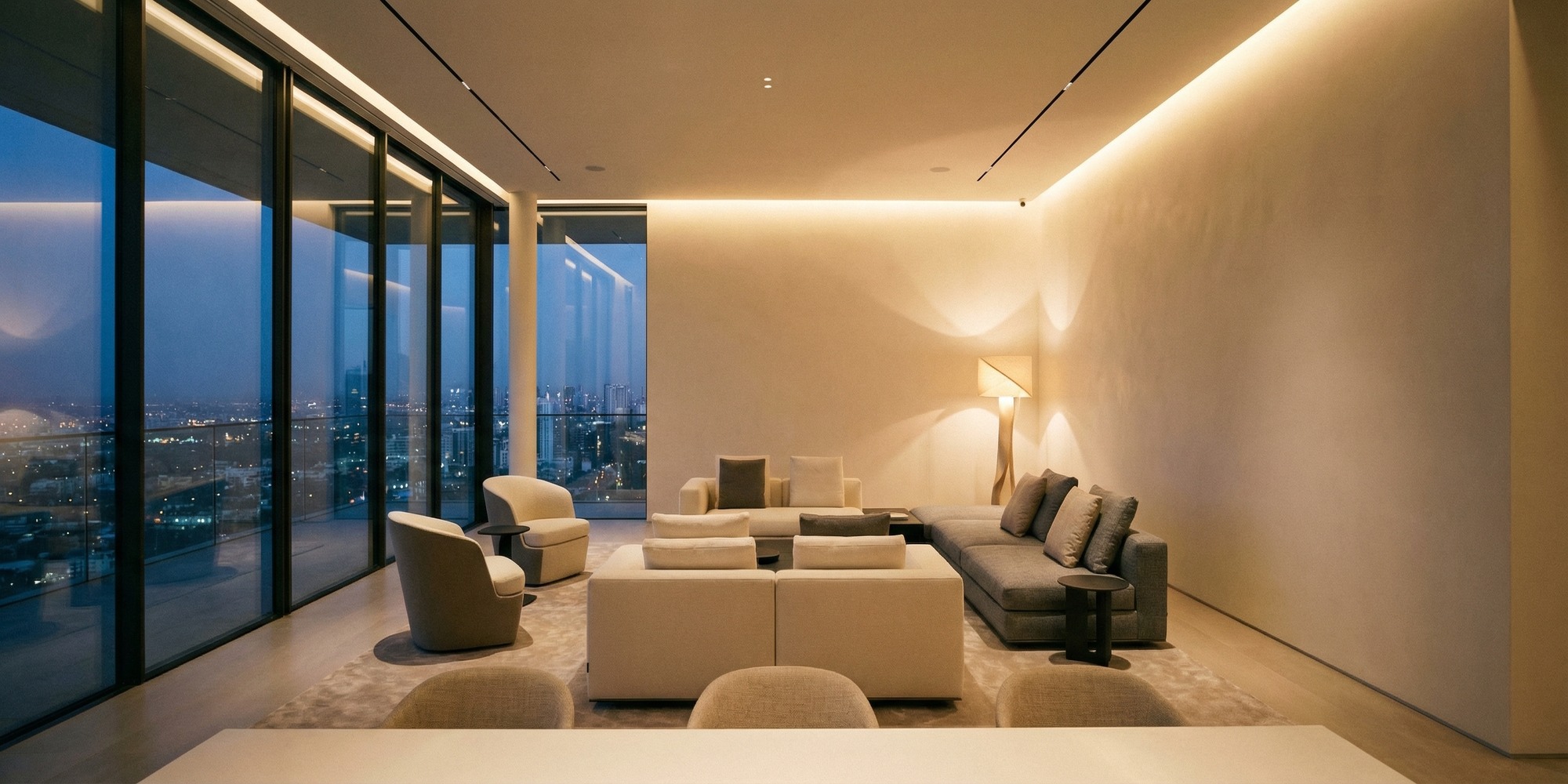
Somewhere in your MLS right now, there’s a listing identical to yours — same price range, same neighborhood, same square footage. The only difference is that listing has a video, and yours doesn’t. It’s receiving 403% more inquiries. That gap isn’t closing on its own. It’s widening, because AI has just made professional-quality listing videos accessible to any agent with a set of listing photos and $59 a month — and most agents still haven’t noticed.
The spring 2026 market is running at roughly 10.5% more inventory year-over-year. More competition per listing means the agents who capture buyer attention early win the conversation entirely. Video is now the decisive layer — and the cost and skill barriers that kept it out of most agents’ workflows for the past decade have collapsed.
The 403% Number Every Agent Should Know
Only 9% of real estate agents currently create listing videos. That means 91% of your competitive set has already ceded this ground. The gap isn’t academic — it shows up in actual inquiry volume, showing requests, and ultimately in which listings get offers and which sit.
Listings with video receive 403% more inquiries than photo-only listings. That data point is confirmed across NAR reports, PhotoUp’s industry survey, and platform performance data from AutoReel. Beyond raw inquiries, 73% of homeowners say they are more likely to list with an agent who uses video. The listing presentation — the moment before you ever touch a property — is already affected by whether you show up with a video portfolio or without one.
The structural reason video underperformed in most agents’ marketing isn’t preference — it’s that professional video production cost $500 to $2,000 per listing and required scheduling, post-production, and editing skills most agents don’t have. AI tools have compressed that entire workflow into 10–30 minutes at a flat monthly subscription. The calculus has changed permanently.
What Buyers Expect in 2026 (And Why Most Listings Miss It)
Buyer behavior has shifted faster than most agents have updated their marketing habits. According to Amplifiles’ January 2026 real estate video statistics, 58% of buyers now expect video tours as a baseline in listings — not a bonus, a baseline. Among digital-native buyer demographics, that expectation is even higher.
82% of buyers rely on virtual tours during their home search, and 51% use YouTube to research properties before scheduling an in-person visit. This is the pre-qualification dynamic: buyers use video to self-screen, which means agents who invest in video receive warmer, more intent-driven leads from those listings.
Rate SVP Eric Hamilton captured the shift precisely: “A few years ago, virtual tours felt like a workaround. Today, it is simply how busy professionals, relocating families and investors narrow the list before they ever step inside a home.” (Rate.com, 2026)
The NAR 2025 Profile of Home Staging found that 48% of buyers’ agents described video as “highly important” to their clients — a figure that will move upward in the 2026 edition. Video isn’t competing with photography anymore. It’s the new floor.
The AI Video Tool Landscape: Four Categories, One Workflow
AI video tools for real estate fall into four distinct categories. Each has different cost structures, hardware requirements, and output types. Understanding the categories helps you build a workflow rather than accumulate subscriptions.
Category A — AI Fly-Through Video From Photos (No Camera Required)
This is the category that eliminated the skill barrier. You feed in your existing listing photos; the AI generates a cinematic walkthrough video.
- Trolto ($59/month): Named HousingWire’s pick for “Best for AI virtual tours from 2D images”, Trolto generates cinematic fly-through videos, listing presentations, and single-property websites from static photos. Its built-in marketing AI (“Molly”) creates daily social content for each listing — a full marketing stack in one tool.
- AutoReel: Turns listing photos into branded social videos in under 10 minutes. With over 100,000 videos created on the platform, AutoReel’s one-click Zillow/Realtor.com import and instant portrait-to-landscape output makes it the fastest path from photos to Reels-ready content.
- Luma AI: A broader AI video platform with a dedicated real estate workflow — converts photos and written descriptions into cinematic listing tours with customizable branding. Strong option for agents who want photorealistic rendering with narrative control.
Category B — 3D Virtual Tours (Camera Required, Industry-Grade Output)
- Matterport ($12–$296/month): The 14-year gold standard. iPhone-compatible scanning, a built-in measurement tool, and Defurnish AI (which removes furniture from existing spaces for virtual staging purposes). Best for luxury listings or highly competitive markets where immersive quality is a differentiator. 99% spatial accuracy with the Pro camera.
- Cloudpano ($19–$125/month): Built for remote-showing workflows — live video chat during joint walkthroughs, custom branding, and tours hosted on your own server that survive subscription cancellation.
- Ricoh360 Tours ($36/month): Strongest AI image enhancement in the hardware-dependent category, combined with 360° tours and automated room recognition.
Category C — AI Video From Drone and Ground Footage
- Giraffe360: Camera-plus-AI platform generating photos, 3D tours, floor plans, and videos in one system. Giraffe’s own performance data cites listings selling seven days faster for agents using the platform.
Category D — AI Social Video (Reels / TikTok / YouTube Shorts)
- Ylopo: AI-powered video ads for Meta — pulls best listing photos directly from MLS to auto-generate high-converting portrait-format campaigns.
- Trolto and AutoReel also serve this role natively; both export portrait-format cuts optimized for Instagram Reels and TikTok.
ROI Math: When Video Pays for Itself
The numbers are not close. Listings with video tours sell 31% faster than listings without. Listings with drone footage specifically sell 68% faster. Zillow’s internal data puts video tours at 14% faster sales velocity. Hemnet, Sweden’s largest property portal, found video listings receive 52% more views and sell faster than comparable photo-only listings.
At the channel level: email campaigns containing video generate a 300% increase in click-through rates. Video embedded on listing landing pages increases conversion rates by 80%. Pages with video earn 157% more organic search traffic than text-only equivalents — a meaningful SEO advantage in a market where buyers begin their search on Google before they ever open Zillow.
The cost math is straightforward. AI tools in this category run $59–$296 per month at the high end, compared to $500–$2,000 per listing for professional videography. A single additional inquiry-to-close conversion per month covers the entire tool cost at every price tier. For an agent closing even modest volume, the ROI calculation resolves before the first month ends.
The staging layer matters here too. Buyers who watch video of a staged, furnished space convert at higher rates than those watching footage of a vacant property. AI virtual staging platforms like RealEstage.ai handle this in under an hour — transforming vacant rooms into buyer-ready furnished spaces that become the raw material your video tool needs. Video built from staged photos performs. Video built from empty rooms leaves money on the table.
Integrating Video Into Your Spring 2026 Listing Workflow
The workflow doesn’t require a complete overhaul of how you operate. It requires adding a defined sequence before and after listing photos are taken.
Step 1 — Stage the listing visually. For vacant properties or rooms that need de-cluttering, use an AI virtual staging platform to produce furnished, styled room images in under an hour. These become the input for every downstream visual asset — photos, video, social content.
Step 2 — Shoot standard listing photography. Your existing photographer workflow is unchanged. With staged images as references, the photographer captures the listing as-presented or you feed the AI-staged versions directly into the video tool.
Step 3 — Generate the video. Drop photos into Trolto or AutoReel. In 10–30 minutes you have a cinematic fly-through, a branded social cut, and (with Trolto) a single-property listing website.
Step 4 — Add 3D tour for high-value listings. For properties above $750K or in highly competitive submarkets, run Matterport or Cloudpano to produce a full interactive 3D tour alongside the video.
Step 5 — Export platform-specific cuts. Portrait format for Instagram Reels and TikTok (first three seconds must show the strongest room). Landscape for YouTube, email, and Facebook. Trolto and AutoReel both handle this natively.
Step 6 — Deploy across listing platforms. Embed YouTube link in the MLS listing. Attach Matterport 3D tour URL. Schedule Reels and TikTok through your social tool. Drop a video thumbnail into your listing announcement email — 300% CTR lift versus text-only.
Platform-by-Platform: Where to Deploy Your Video Content
MLS / Zillow / Realtor.com — Embed landscape video in listing media. Zillow 3D Home tours are free for listing agents and available through multiple compatible tools.
Instagram Reels / TikTok — Portrait fly-throughs from Trolto or AutoReel. The first three seconds are your only chance to prevent a scroll; start with the most visually compelling room, not an exterior or a front-door shot.
YouTube — Full 2–3 minute listing walkthrough. 51% of buyers use YouTube to research properties before scheduling visits. YouTube SEO drives discovery at the pre-intent stage — before a buyer knows your listing exists on the MLS.
Facebook — 75% of marketers cite Facebook as their primary video channel. Longer-form video performs well here; use Ylopo for automated video ad campaigns that pull from your MLS feed.
Email campaigns — Drop a video thumbnail with a “play” button into listing announcements. The 300% CTR improvement over standard email is well-documented. Even a still frame from the video with a play icon drives significantly higher open-to-click conversion than text descriptions.
Listing presentation — Show prospective sellers a video from one of your recent listings before the conversation starts. 73% of homeowners factor video capability into their agent selection decision. Walking in with demonstrable video is a tangible differentiator before you open your CMA.
The Barrier Is Gone — Now It’s Just Execution
The old objections no longer hold. “I don’t have a videographer in my budget” — AI generates professional video from photos at $59/month regardless of listing volume. “I’d need to learn editing software” — Trolto and AutoReel are drag-and-drop. “My listings aren’t worth the investment” — the math breaks even on a single additional inquiry conversion; any listing volume makes it rational.
The question isn’t whether you can afford AI video tools. The question is whether you can afford to let 91% of your competitors skip video while you do the same. The agents who adopt this in the spring 2026 cycle don’t just close more deals — they win listing presentations against agents who show up without a video portfolio. The differentiation compounds.
A complete AI-powered listing launch now looks like this: AI virtual staging for the rooms that need it (handled by a platform like RealEstage.ai in under an hour), professional listing photos, AI fly-through video in 30 minutes, and platform-specific cuts deployed before the listing goes live. That’s not a luxury workflow. That’s the new floor for agents who intend to compete.
The technology is available. The data is unambiguous. The adoption gap — 91% of agents not using video — represents the market opportunity. The agents who close it first win the spring 2026 cycle.
Related Articles
- AI Social Media Tools for Real Estate Agents in 2026
- The Buyer Psychology Behind Listing Photos and Virtual Staging
- Real Estate Agent Productivity: Building a Listing System with AI
- AI Open House Tools: Capture and Convert More Leads
- Smart Home Technology: What Real Estate Buyers Value Most in 2026
- How to Build the Best 24-Hour AI Listing Launch Prep System